Healthcare and Pharmacies in Tokyo for Remote Workers
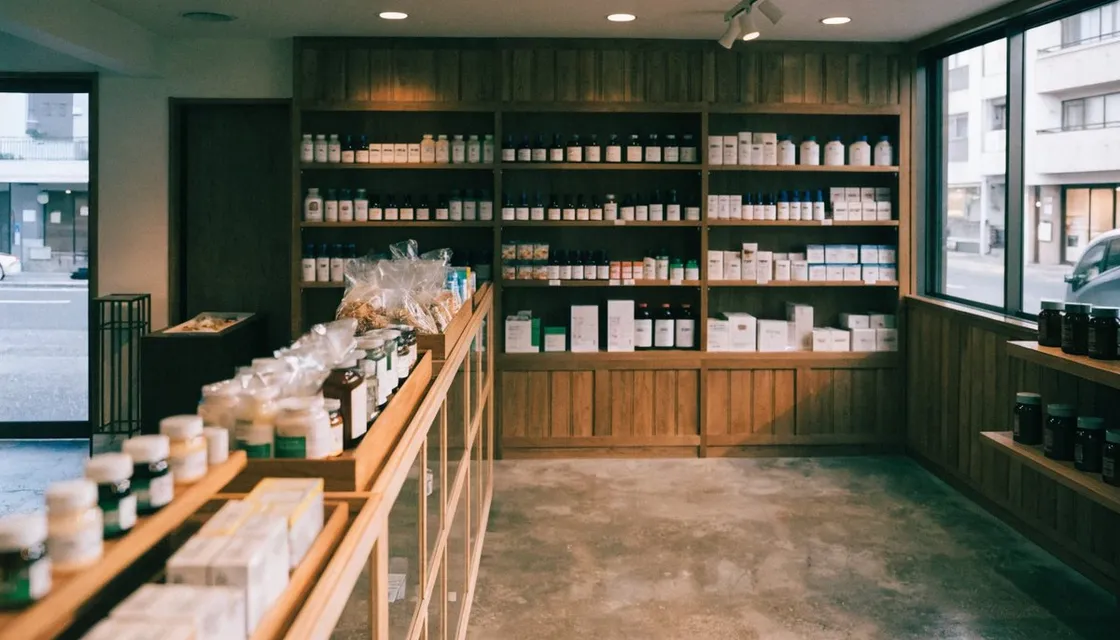
The short version is reassuring: getting medical care in Tokyo is easier than most newcomers fear, the quality is high, and a minor illness rarely turns into a saga. The two things worth sorting out early are how you will pay and how you will bridge the language gap, because those are the parts that trip people up, not the medicine itself. Everything after that is mostly a matter of knowing which door to walk through.
Tokyo is dense with small clinics, and that density is the quiet advantage. You are almost never far from a general practitioner, a dentist, or a pharmacy, and walk-ins are normal rather than exceptional. The system is built around lots of small specialist clinics rather than one big hospital for everything, which feels unfamiliar at first and then starts to feel efficient.
The city rewards the person who figures out payment and translation before they actually need a doctor, not during the fever.
Insurance: sort this out before you are sick
How you pay depends entirely on your status here, and it is worth being clear-eyed about it rather than hoping. If you are on a short stay, you are paying out of pocket at the point of care and, ideally, claiming afterward on travel or nomad insurance. Read your policy before you arrive so you know what it covers and what paperwork it wants, because a clinic will generally expect payment on the day and leave the claim to you.
If you hold a residence status that runs past a certain length, you are typically expected to enroll in Japan’s public health insurance, which then covers a large share of most treatment costs, with you paying the rest at the counter. The exact rules and share depend on your visa and municipality, so treat this as a prompt to check your own situation at your local ward office rather than as a fixed figure. The general principle worth remembering is simple: residents plug into the public system, short-term visitors lean on private coverage, and nobody should assume a card from home will be accepted.
Whatever your situation, carry a form of payment that works, bring your insurance details in a form you can show, and keep receipts. Clinics and pharmacies issue itemized receipts as a matter of course, which makes later claims much less painful.
Finding a clinic, and finding one in English
For everyday problems, a local clinic is the right first stop, not a hospital emergency room. Clinics handle the ordinary run of things, colds that will not quit, stomach trouble, a skin issue, a sprain, and they are quick and inexpensive relative to what many nomads are used to. Hospitals are for referrals, serious cases, and genuine emergencies.
The language gap is the real hurdle, and it is a solvable one. A growing number of clinics advertise English-speaking staff, and there are directories and services specifically for finding English-friendly care in Tokyo. The Tokyo Metropolitan Government runs a medical information service that can help you locate clinics by language and specialty, and a translation phone line exists for medical situations. Many nomads simply keep a translation app open, and doctors here are used to that. Writing your symptoms down in advance, then translating the text, tends to work better than trying to improvise vocabulary at the counter.
A practical habit is to scout one general clinic and one dentist near where you are staying while you are healthy, save their hours, and note whether they take walk-ins. Doing that research with a clear head beats doing it with a temperature.
The pharmacy, and the drugstore, are two different animals
This distinction confuses newcomers, so it is worth drawing clearly. A pharmacy attached to prescriptions, the kind you visit after a doctor’s appointment, dispenses medicine your doctor prescribed and will often be right next to the clinic. You hand over the prescription, wait a short while, and a pharmacist explains the medication, sometimes with a printed sheet.
The other animal is the drugstore, the bright chain shops you see everywhere, which sell over-the-counter remedies, toiletries, cosmetics, and often snacks and household goods. For a headache, a cold, hay fever, or an upset stomach, the drugstore is your first stop and no prescription is needed. Staff can often point you to the right shelf, and the packaging frequently has enough English or clear symbols to guide you.
One genuine caution: some medications that are ordinary elsewhere are restricted or banned in Japan, including certain cold and allergy formulas and some stimulants. If you rely on a specific prescription medication, check the rules before you travel and carry documentation, because bringing in the wrong thing can cause real problems at the border. Do not assume that what sits on a shelf back home can simply come with you.
Building a small medicine cabinet
A little preparation removes most of the friction of a minor illness. It helps to keep a modest kit at home so a midnight cold does not require a translated conversation. Basic pain relief, something for stomach upsets, throat lozenges, plasters, and any personal essentials cover the common cases. Everything on that list is easy to buy at a drugstore, and having it on the shelf means the first bad hour of an illness is spent resting rather than searching.
For anything ongoing, a photo of your usual medication’s packaging and its generic name, saved on your phone, makes a pharmacist’s job far easier when you are trying to match a familiar remedy.
FAQ
Can I just walk into a clinic without an appointment? For most small clinics, yes, walk-ins are normal, though you may wait. Some clinics and specialists prefer or require appointments, so a quick check of their website or a phone call saves time. Arriving near opening tends to mean a shorter wait.
What do I do in a real emergency? For a genuine emergency, emergency services can be reached by phone, and larger hospitals handle serious cases. There are also medical advice lines that can guide you on whether a situation needs an emergency room or can wait for a clinic in the morning, which is useful when you are unsure and alone.
Will my medication from home be allowed into Japan? Not always. Some common medicines are restricted, so check the current rules for your specific prescription before traveling, carry a copy of the prescription, and look into the import declaration process if you need a larger supply. Confirming this early avoids an unpleasant surprise at customs.