Tokyo Life Hacks for Digital Nomads: 25 Practical Tips (2026)
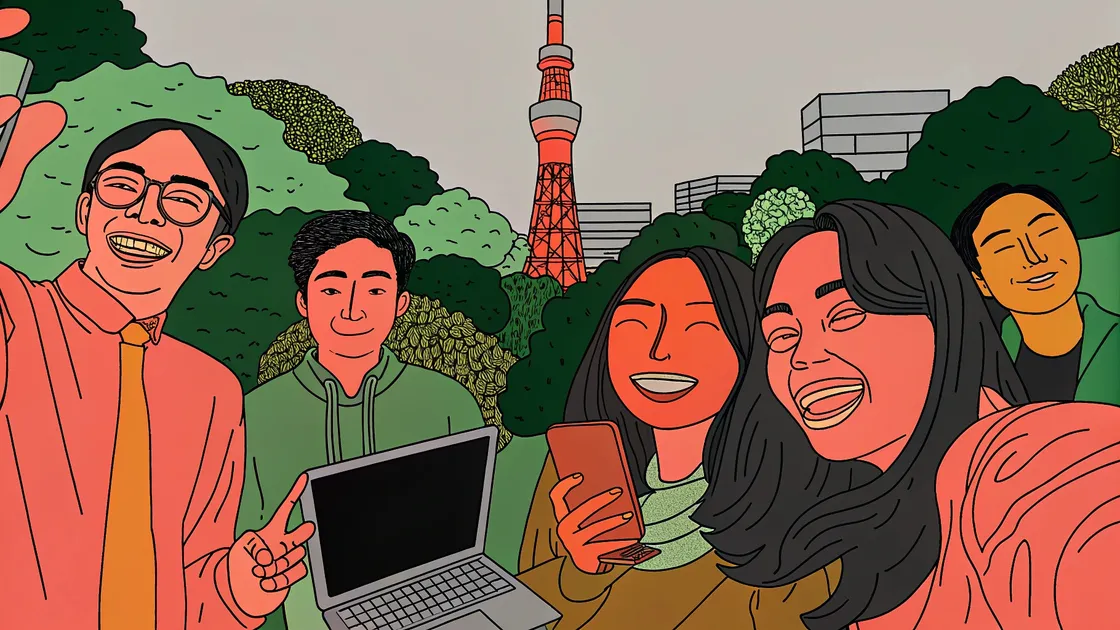
The fastest way to settle into Tokyo as a digital nomad is to lean on the city’s technology, services, and community: a transit IC card and navigation apps for getting around, convenience stores and Tabelog for food, MUJI and 100-yen shops for your space, and QR payments plus the right ATMs for money. This guide collects the practical hacks that save the most time and money in daily life.
Transport
Getting around Tokyo is easy once you set up the basics.
- Mobile Suica: A transit IC card on your phone beats a physical card; reload and check spending from the screen.
- Transit navigation apps: Beyond Google Maps, specialized apps give real-time delay and congestion updates for Tokyo’s intricate rail network.
- Bike sharing: Docomo Bike Share and LUUP offer cheap short hops with stations across the city.
Food and shopping
- Convenience stores: Open around the clock, they double as ATMs, delivery drop-offs, and bill-payment points.
- Tabelog: The English-friendly review platform helps you find reliably good restaurants.
- Gyomu Super: A wholesale-style supermarket for frozen and bulk items, ideal for budget cooking.
- Depachika (department-store food halls): Evening discounts make quality prepared food affordable.
Housing and daily living
- MUJI: Minimalist furniture turns a small apartment into a functional space.
- 100-yen shops: Daiso and Seria stock daily necessities cheaply.
- Delivery boxes: Parcel lockers let you receive packages during long work hours.
- Public baths and saunas: Sento and onsen are affordable ways to relax and meet neighbors.
Work and networking
- Morning activities: Tokyo’s “morning activity” communities build meaningful professional ties.
- Meetup: Connects nomads for events and collaboration.
- District libraries: Quiet, free work environments for focused days.
- 24-hour family restaurants: Useful for late-night work or client calls across time zones.
Language and culture
- HelloTalk: Practice Japanese and teach English while making local friends.
- Local festivals: Joining neighborhood events deepens cultural understanding.
- Kanji study apps: Learn the characters you actually encounter day to day.
Health and wellness
- Drugstore pharmacists: Get guidance on over-the-counter remedies for minor ailments without a doctor’s visit.
- Radio calisthenics in parks: Free early-morning group exercise and community.
- Day-trip onsen and spas: Accessible thermal facilities for stress relief.
Money and taxes
- QR payments: PayPay and Rakuten Pay combine convenience with rewards.
- Foreign-card ATMs: Use 7-Eleven (Seven Bank) and Japan Post Bank, which accept most international cards with English menus.
- Understand tax rules early: Remote workers should learn residency-based tax obligations before a long stay; consult a professional for your situation.
Emergency and safety
- Safety Tips app: Official multilingual earthquake and typhoon alerts.
- Know your evacuation site: Identify nearby routes in advance.
- Emergency numbers: 110 (police), 119 (fire/ambulance), 118 (coast guard).
Summary
For a smooth nomad life in Tokyo: lean on technology to streamline daily routines, join communities to avoid isolation, embrace local customs, and prepare your money and safety setup before you need them. Get these basics right and the city becomes remarkably easy to live in.
FAQ
What apps do digital nomads need in Tokyo? A transit app and Mobile Suica for travel, Tabelog for food, a QR payment app like PayPay, and the official Safety Tips app for emergencies.
What are the emergency numbers in Japan? 110 for police, 119 for fire and ambulance, and 118 for coast guard.
How can I save money living in Tokyo? Cook with Gyomu Super and depachika evening discounts, shop at 100-yen stores, use bike sharing, and work from free district libraries.