Tokyo Standing Bars: The Cheapest Way to Feel Local After Work
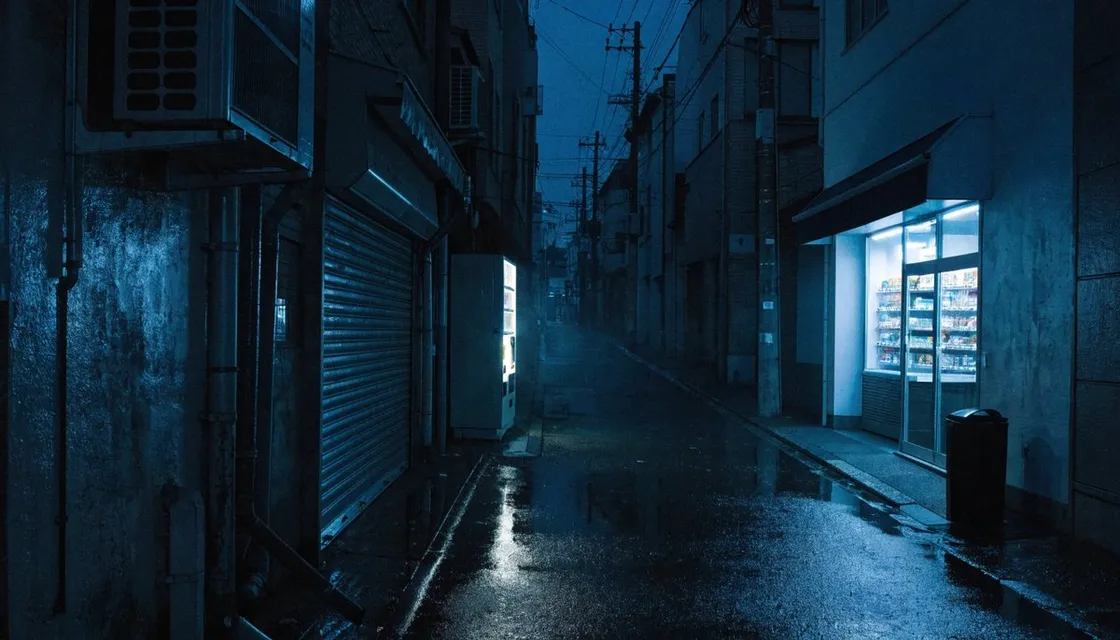
If you want the fastest, cheapest route from feeling like a visitor to feeling like a regular, skip the polished cocktail bar and find a tachinomi. These are Tokyo’s standing bars: no chairs, a narrow counter, a short menu chalked on the wall, and drinks that often start well under the price of a fancy latte.
You stand, you drink, you talk, and somewhere in the middle of it the city stops being a backdrop and starts being a place you actually live in.
For a nomad, that matters. Working remotely in Tokyo can be quietly isolating.
The tachinomi is the low-stakes antidote: no reservation, no dress code, no commitment beyond one small glass.
A standing bar asks almost nothing of you and gives back the one thing that is hardest to find on your own: an easy, unplanned conversation.
What a tachinomi actually is
The word breaks down simply. Tachi means standing, nomi means drinking.
In practice a tachinomi is a small, informal bar where you drink on your feet at counter height, usually elbow to elbow with whoever else wandered in. Some are tucked under railway arches, some are a sliver of a storefront, some are attached to a liquor shop where you buy a bottle and drink it right there (these are called kaku-uchi and are their own lovely tradition).
The economics are the appeal. Because there are no table seats to turn and little service overhead, prices stay low.
A glass of something and a small plate can run just a few hundred yen. You are not paying to occupy a seat for two hours; you are paying for exactly what you drink and eat, which suits both a tight budget and a short attention span.
How the ritual works
Most standing bars follow a loose rhythm. You step in, catch the staff’s eye, and order a first drink fairly quickly.
A common opener is a draft beer, a highball, a lemon sour, or a small glass of sake. Food comes in small plates meant for sharing the counter space rather than a full meal: think grilled skewers, simmered oden in cooler months, potato salad, pickles, a bit of sashimi.
Payment styles vary and it helps to notice which you are in. Some places run a tab and you settle at the end.
Others use a ticket or cash-up-front system where you pay as you go, sometimes dropping coins into a tray. A few use vending-style meal tickets you buy at a machine near the door.
When in doubt, watch what the person next to you does, or simply ask “otekai wa?” (how do I pay?). Nobody expects a foreigner to know the local system, and asking is completely normal.
Standing bars tend to move fast. People come for one or two rounds and go, which means the crowd refreshes and you are never locked into a long evening.
If a place is full, it is fine to wait a beat for a gap at the counter, and it is equally fine to finish your glass and move on to the next one. Bar-hopping between two or three tachinomi in an evening, called hashigo-zake (ladder drinking), is half the fun.
Where to look
You do not need a curated list so much as a good instinct for the right streets. Standing bars cluster where workers pass through: around and under train stations, in old market lanes, and in the tight alley districts that survived from the postwar years.
The classic hunting grounds include the yokocho alley networks near major stations, the arches beneath the Yamanote line tracks, and the older shopping streets in neighborhoods east and west of the center. You will often spot a tachinomi by its half-open front, a cluster of people standing with glasses, a red lantern (akachochin) glowing outside, and a handwritten menu.
If it looks a little rough and a little warm at the same time, it is probably good.
A practical tip: go early. Many standing bars open in the late afternoon and are liveliest from around six, and the best small ones fill up fast and sometimes close when the food runs out.
An early start also gives you daylight to find the place, since some are genuinely hard to spot.
Etiquette that keeps it easy
The unwritten rules are gentle but worth knowing. Order a drink reasonably promptly after arriving rather than studying the menu for ten minutes.
Keep your bag close and small, because counter space is precious and there is nowhere to sprawl. Do not save spots for a large group; standing bars work because the space stays fluid.
Cash is still king in many of the smallest places, so carry some. A few hundred to a couple of thousand yen in coins and small notes will cover a good night.
Tipping is not a thing in Japan, so do not leave money on the counter.
Talking to strangers is allowed and often the whole point, but read the room. A nod, a comment about what someone is drinking, or a simple question about a dish is a natural opener.
If someone is clearly winding down alone, let them be. The charm of these places is that they hold both moods at once: sociable and solitary, side by side at the same counter.
Why it works so well for nomads
A tachinomi solves several nomad problems at once. It is cheap, which protects the budget on a long stay.
It is quick, which fits an evening between work and sleep. It requires no plan, which suits a life that is already full of logistics.
And it is one of the few settings in Tokyo where casual conversation with a stranger is the norm rather than the exception, which quietly chips away at the isolation that remote work can bring.
Most of all, it teaches you the city at counter height. You learn which season brings oden back to the pot, how the after-work crowd shifts through the evening, and what it feels like to be a familiar face somewhere.
That is the moment Tokyo turns from a place you are staying into a place you belong, and it usually costs less than a movie ticket.
FAQ
Do I need to speak Japanese? It helps but is not required. Pointing at the menu, holding up fingers for quantity, and a friendly “sumimasen” to get attention will carry you a long way.
Many regulars enjoy the chance to chat with a visitor.
Is it rude to just have one drink and leave? Not at all. The one-or-two-and-go rhythm is exactly how standing bars are meant to work.
Paying for what you had and moving on is normal and expected.
Are standing bars safe for solo drinkers, including women? Standing bars are generally relaxed and low-pressure, and solo drinking is common in Tokyo. As anywhere, pick places that feel comfortable, keep an eye on your belongings, and trust your read of the room.
Many nomads find them among the easiest solo outings in the city.