Best Tokyo Neighborhoods for Digital Nomads: 7 Areas Compared (2026)
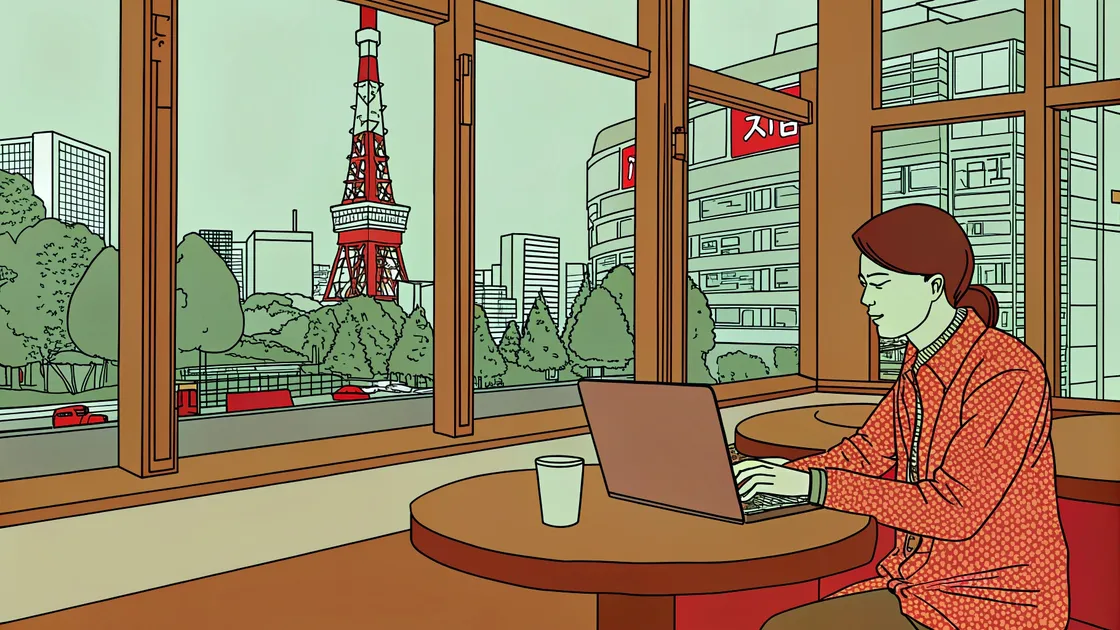
The best Tokyo neighborhood for a digital nomad depends on your priorities: Shibuya and Nakameguro/Daikanyama for creative work, Shinjuku, Roppongi, and Nihonbashi for business networking, Akihabara for tech and value, and Asakusa for culture and lower costs. This guide compares seven areas on vibe, living costs, and workspaces so you can choose your base with confidence.
Quick comparison: which area suits you?
| Area | Best for | 1K rent (¥/month) |
|---|---|---|
| Shibuya | Creative work, nightlife | 120,000–180,000 |
| Shinjuku | Business, transport access | 100,000–160,000 |
| Roppongi | International community | 150,000–250,000 |
| Nakameguro / Daikanyama | Calm, stylish focus | 130,000–200,000 |
| Akihabara | Tech, budget | 90,000–150,000 |
| Nihonbashi | Business + tradition | 110,000–170,000 |
| Asakusa | Culture, lowest cost | 80,000–140,000 |
All prices are approximate ranges and vary with size, building, and timing.
Shibuya: creative hub with a cutting-edge lifestyle
Shibuya suits creators and young international nomads who want energy and nightlife. It is Tokyo’s creative epicenter, with abundant 24-hour coworking spaces, Wi-Fi cafés, and global networking venues.
Costs: 1K apartment 120,000–180,000 yen/month; share house 60,000–100,000; short-term serviced apartments 200,000–350,000. Lunch 800–1,500 yen; coworking 2,000–3,500 yen/day. Break spots include Yoyogi Park and Meiji Shrine; good work cafés include Fuglen Tokyo.
Shinjuku: business hub with unmatched transport access
Shinjuku suits nomads who travel often, thanks to the world’s busiest station and 24-hour everything. It offers diverse international dining and networking.
Costs: 1K apartment 100,000–160,000 yen/month; monthly business hotel 150,000–250,000; luxury serviced apartments 250,000–400,000. Lunch 700–1,200 yen; monthly coworking 15,000–25,000 yen. Refresh at Shinjuku Gyoen; network in Golden Gai and Omoide Yokocho.
Roppongi: hub for global companies and community
Roppongi suits those who want an English-friendly, international base. It concentrates foreign companies and startups, with frequent international business events and luxury stays.
Costs: 1K apartment 150,000–250,000 yen/month; serviced apartments for foreigners 300,000–500,000; luxury residences 400,000–800,000. Lunch 1,200–2,500 yen; premium coworking 30,000–50,000 yen/month. Highlights: Roppongi Hills, The National Art Center, and Azabu-Juban’s international dining.
Nakameguro / Daikanyama: stylish and relaxed creative space
This area suits nomads who want calm, focused, sophisticated surroundings. Independent cafés and select shops provide quality workspaces, and the Meguro River is ideal for work-break walks.
Costs: 1K apartment 130,000–200,000 yen/month; designer apartments 180,000–300,000; short-term stays 250,000–400,000. Lunch 1,000–1,800 yen; monthly workspace 20,000–35,000 yen. Visit Daikanyama T-SITE and the Meguro River cherry-tree walks.
Akihabara: tech and subculture at good value
Akihabara suits IT nomads who want gadgets, tech communities, and lower costs. It offers reasonably priced workspaces and many 24-hour internet cafés for emergencies.
Costs: 1K apartment 90,000–150,000 yen/month; share house 50,000–80,000; business hotel 100,000–180,000. Lunch 700–1,200 yen; internet café 300–500 yen/hour. Explore Electric Town and Yodobashi Camera, plus anime and gaming culture.
Nihonbashi: where tradition meets the financial district
Nihonbashi suits nomads who want a mature, calm base for focused work alongside business. Major financial institutions and startups mix here, and nomad-oriented coworking like S-TOKYO anchors the community.
Costs: 1K apartment 110,000–170,000 yen/month; luxury apartments 200,000–350,000; serviced apartments 250,000–450,000. Lunch 800–1,500 yen; premium coworking 20,000–40,000 yen/month. Nearby: Nihonbashi Mitsukoshi, COREDO Nihonbashi, and Ningyocho’s Edo atmosphere.
Asakusa: traditional culture at the lowest cost
Asakusa suits nomads who want cultural immersion and budget-friendly living. Historic temples sit beside modern facilities, so you can work while experiencing traditional Japan.
Costs: 1K apartment 80,000–140,000 yen/month; renovated traditional houses 120,000–200,000; short-term stays 150,000–250,000. Lunch 600–1,000 yen; café working 300–600 yen. Highlights: Senso-ji Temple, Nakamise Street, and views of Tokyo Skytree.
How to choose your Tokyo base
- Creative work: Shibuya, Nakameguro/Daikanyama
- Business networking: Shinjuku, Roppongi, Nihonbashi
- Tech and value: Akihabara
- Culture and tradition: Asakusa, Nihonbashi
Start in a flexible short-term stay, spend a few days in two or three of these areas, and commit once you know which vibe and budget fit your work.
FAQ
Which Tokyo neighborhood is best for digital nomads? There is no single best area; Shibuya suits creatives, Roppongi suits international networking, and Asakusa suits budget and culture. Match the area to your work style and budget.
How much does it cost to live in Tokyo as a nomad? A 1K apartment ranges roughly 80,000–250,000 yen/month depending on the area, with cheaper options in Asakusa and Akihabara and pricier ones in Roppongi.
Which area is cheapest for digital nomads? Asakusa and Akihabara are generally the most affordable, with lower rents and everyday costs than central areas like Roppongi.