Getting Around Tokyo: Transport Guide for Digital Nomads (2026)
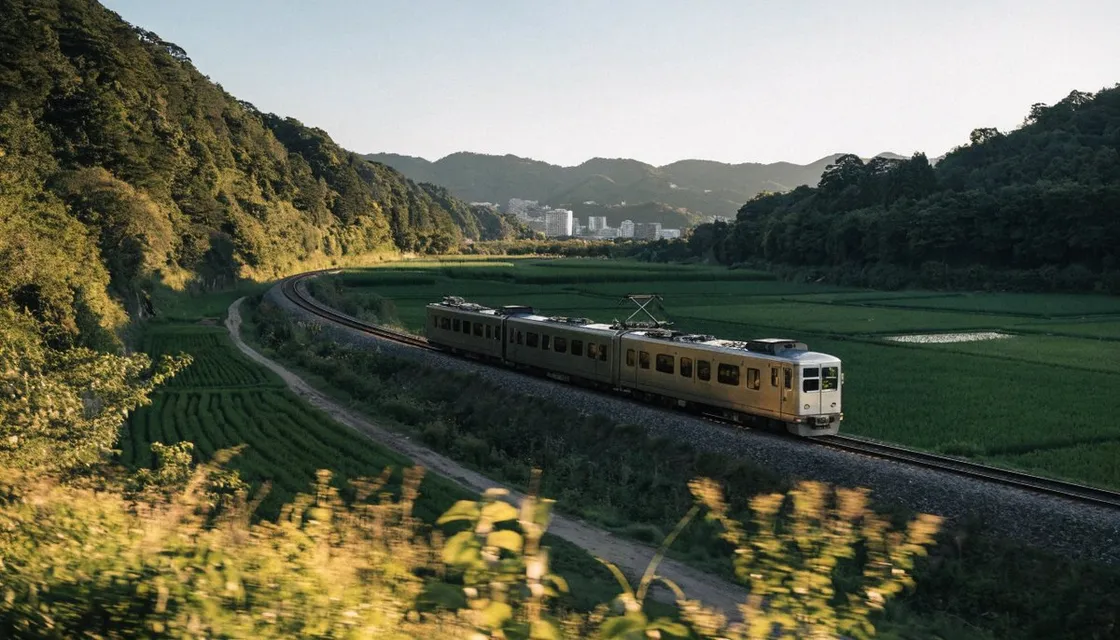
The easiest way to get around Tokyo is by train and subway, paid with a Suica or Pasmo IC card and navigated with a transit app. Trains cover almost everywhere, run frequently and on time, and are cheaper than taxis. Buses fill the gaps, and taxis or ride apps are best late at night. Once you set up an IC card and a navigation app, moving around the city becomes simple, even without Japanese.
What is the best way to get around Tokyo?
Trains and subways are the best way to get around Tokyo. The network is dense, punctual, and reaches nearly every neighborhood, so most nomads rarely need anything else during the day. Tokyo has two main subway operators (Tokyo Metro and Toei) plus JR and several private railways, but a single IC card works across all of them, so you don’t need to think about which company runs which line.
Do you need a Suica or Pasmo card?
Yes, an IC card is the single most useful transport tool in Tokyo. Suica and Pasmo are rechargeable contactless cards (also available as Mobile Suica or Pasmo on a phone) that you tap at the gate. They work on virtually all trains, subways, and buses, and double as payment at convenience stores and vending machines.
Mobile Suica on your phone is the most convenient option, since you can recharge and check your balance from the screen without finding a machine. See our mobile setup guide for getting your phone ready.
Which transport options should you use?
| Mode | Best for | Notes |
|---|---|---|
| Subway / JR trains | Everyday travel | Fast, frequent, cheapest; tap an IC card |
| Buses | Areas trains miss | Same IC card; slower |
| Taxi / ride apps | Late night, luggage | Priciest; useful after trains stop |
| Bike share (LUUP, Docomo) | Short hops | Cheap; many docking points |
Trains stop around midnight, so plan late nights around the last train or budget for a taxi.
Which apps make Tokyo transport easy?
A transit navigation app is essential. Beyond Google Maps, dedicated Japan transit apps give real-time delays, platform numbers, the cheapest or fastest route, and clear transfer directions in English. Enter your destination, and the app tells you which line, platform, and exit to use, which removes almost all the guesswork from Tokyo’s large stations.
Tips for navigating Tokyo like a local
- Know your exit. Big stations like Shinjuku have dozens of exits; the app’s exit number saves a lot of walking.
- Avoid rush hour (roughly 7:30–9:00 and 17:30–19:00) if you can; trains get very crowded.
- Stand on the correct side of escalators and let passengers off before boarding.
- Keep your IC card topped up to avoid being stopped at the gate.
- Trains are quiet. Keep calls and loud conversation off the train.
FAQ
Do I need a JR Pass to get around Tokyo? No. A JR Pass is for long-distance travel between cities. For getting around Tokyo, an IC card like Suica or Pasmo is all you need.
Can I use Suica on all trains and buses in Tokyo? Yes. A single IC card works across Tokyo Metro, Toei, JR, private railways, and most buses, so you rarely need paper tickets.
How late do Tokyo trains run? Most lines run until around midnight and start again around 5:00. After the last train, taxis or ride apps are the main option.