The 3 AM Nomad: Working Tokyo After Dark
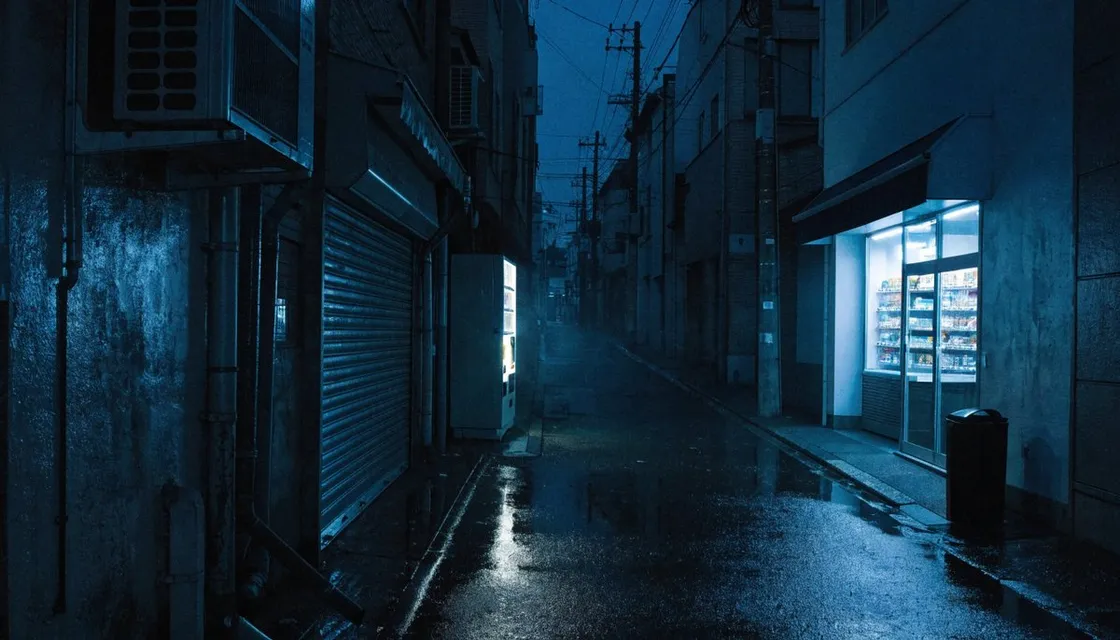
There is a version of Tokyo that almost no guide describes: the one that switches on after the last train leaves and the crowds evaporate. Vending machines hum on empty corners. Convenience stores glow. And for remote workers whose clients live on the other side of the planet, this quiet, after-hours city turns out to be a remarkably good place to work.
Most guides sell the daytime version: the crossings, the queues, the trains packed so tight you can’t lift your arms. But plenty of nomads in Tokyo actually work at night, and once you live on that schedule, the daytime city can start to feel like the tourist trap.
The last train doesn’t end the day here. It just changes who the city belongs to.
Why the night finds so many nomads
Most night-owl nomads don’t choose it. Their clients do.
When your income comes from the other side of the world, their 9 AM is your 11 PM. You can fight that math for a while, half-asleep on standups and apologizing for the lag in your voice, or you can flip your whole schedule and let the quiet hours become the productive ones. Do that, and deep work begins around the time most of Tokyo is brushing its teeth.
The surprise is that night in Tokyo isn’t lonely so much as edited. Everything unnecessary has closed, and what’s left is close to exactly what a working nomad needs.
The after-hours infrastructure
Here’s what nobody budgets for: a city that refuses to fully close.
The konbini on the corner is brighter at 4 AM than most offices are at noon. It has an ATM that accepts foreign cards, a printer for the contract you forgot to sign, hot coffee, cold onigiri, and staff who have stopped being surprised by anyone. It works, functionally, like your building’s lobby.
A few streets over, 24-hour cafés let you sit with a laptop and a cheap drink until the sky goes gray. For a real desk behind a door that locks out noise, some coworking floors offer 24-hour access, where the only other person is usually someone else running a company nobody in this country has heard of. A nod, no conversation, and everyone gets on with it.
The reset nobody expects
A Tokyo workday isn’t really over until it ends in a hot bath at dawn.
The city’s sento and 24-hour sauna culture is about the closest thing there is to a factory reset for the brain. You leave the laptop, the currency conversions, and the passive-aggressive email in drafts, and sit in the heat until your thoughts stop sprinting. Then cold water. Then a flat, blissful blankness the Japanese have a word for: totonou, roughly “getting arranged.”
Step out at 6 AM and the city is just starting its day while yours ends. The commuters head to the station; the night worker heads to bed. Two shifts changing over, and for a moment the whole arrangement makes sense.
What the night gives, and what it costs
The appeal is real, but so is the cost.
Living nocturnally in Tokyo means trading sunlight for silence. You miss the lunch meetups, the daytime community, the version of the city everyone else is describing. You get very good at blackout curtains and very bad at brunch. Some weeks the isolation stops feeling like editing and starts feeling like exile, and the only cure is to force a human schedule for a while, blinking and over-caffeinated, relearning small talk.
But the night offers something the day can’t. When you work while a city sleeps, you stop performing productivity and start actually being productive. There’s no one to look busy for and no one dropping by. The only reason to be at the desk at 3 AM is that the work matters, and that clarity is worth more than any coworking perk.
Is the night shift worth it?
If your clients live in another time zone, you’re probably already half-nocturnal without having admitted it. Building the shift on purpose beats surviving it by accident, and Tokyo’s second city is unusually well set up to carry it: the konbini lobby, the all-night desk, the sauna at sunrise.
The trade is simple. You lose the daytime Tokyo everyone photographs. You gain a quieter one that’s almost entirely yours.