Doing Laundry in Tokyo: A Nomad's Guide to Coin Laundries
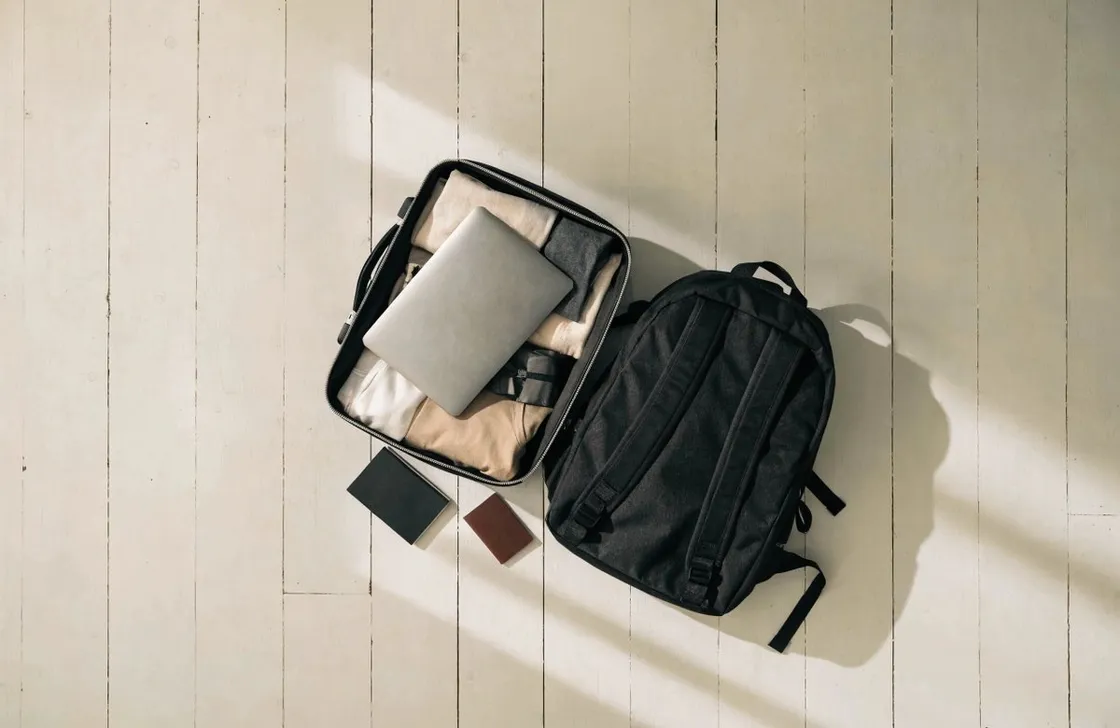
Here is the practical truth nobody puts in a Tokyo guidebook: if you are living out of a suitcase, the coin laundry will become one of the small anchors of your week. Short-stay apartments and share houses often have a washer but no dryer, capsule hotels have neither, and a folding rack in a humid Tokyo summer is a losing battle. The neighborhood coin laundry solves all of it, usually within a five-minute walk, and once you understand how one works you will never think about it again.
The good news is that Tokyo laundromats are clean, safe, and almost self-explanatory once you know the pattern. You do not need Japanese to use one. You do need a rough sense of coins, timing, and etiquette, and that is what this guide is for.
A city reveals itself in its ordinary machines. Tokyo’s coin laundries are quiet, bright, and quietly considerate, which tells you most of what you need to know about the place.
What a Tokyo coin laundry actually is
The Japanese term you will see on signs is コインランドリー (coin laundry). Many are unstaffed, open long hours or around the clock, and lit up brightly enough to feel safe late at night. You will find them tucked between apartment blocks, near stations, and often next to or below a convenience store. Chains you will start to recognize include Mammy, Fuji Coin Laundry, and Baluko, though plenty of neighborhoods have an independent one that works just the same.
Inside you will typically find a row of front-loading washers in a few sizes, separate high-heat gas dryers, and sometimes all-in-one wash-and-dry machines that do both in one cycle. There is usually a change machine on the wall, a small folding counter, and a vending machine selling single-use detergent if you did not bring your own. Many newer places take IC cards or a smartphone app as well as coins.
What it costs and how long it takes
Prices vary by machine size and neighborhood, so treat these as rough ranges rather than fixed figures. A standard wash tends to run somewhere in the few-hundred-yen range, a dryer is often charged in blocks of time such as roughly one hundred yen for eight to ten minutes, and a combined wash-and-dry machine sits higher because it does everything at once. A normal load, washed and fully dried, usually lands somewhere in the several-hundred to low-thousand yen range and takes about an hour to ninety minutes end to end.
That hour is the part worth planning around. Many nomads treat laundry as a working block: start a load, walk to a nearby cafe or konbini, answer email or take a call, and come back when the dryer stops. Some of the newer chains have an app that pings you when your cycle finishes, which turns the whole errand into something you barely have to think about.
Using a machine, step by step
The flow is the same almost everywhere. Load your clothes into an empty washer and close the door firmly. If the machine dispenses detergent automatically, which most modern ones do, you can skip adding your own entirely. If it does not, add the single-use detergent from the vending machine or your own pod. Select the cycle if there are options, then insert coins or tap your card and press start.
For drying, move everything to a dryer, choose the number of minutes, and feed in coins as you go. Tokyo’s gas dryers run hot and fast, so start with a shorter time than you think you need and add more if things are still damp. When you are done, wipe the lint trap if the machine asks you to, which it often does with a small sign, and take everything with you.
A few machines are genuinely all-in-one: you load once, pay once, and come back to dry clothes. These cost more and take longer per cycle, but they save you the mid-wash trip back. If you are running laundry during a busy work block, they can be worth the premium.
Etiquette that keeps everyone happy
Tokyo’s shared spaces run on quiet consideration, and the coin laundry is no exception. Set a timer and come back promptly when your cycle ends, because someone is usually waiting for that machine. If you arrive to find a finished load sitting in a washer, it is generally acceptable to wait a few minutes, but most people would not remove another person’s clothes. Do not reserve a machine by dumping your basket on it and disappearing for an hour.
Keep the folding counter clear for the next person, take your lint and empty detergent packets with you, and keep your voice down if you are taking a call while you wait. None of this is posted in big letters, but you will feel the room’s expectations quickly, and matching them is part of living here comfortably.
When to skip the coin laundry
Coin laundries are the default, but they are not the only option. If you would rather not spend the hour, most neighborhoods have a cleaners (クリーニング) that will wash and fold for you, and some laundromats offer a same-day drop-off service. For a suit, a coat, or anything delicate, a proper cleaners is the safer choice than a high-heat gas dryer. And if your apartment has its own washer, the coin laundry is still worth knowing for one thing above all: drying. During the June rainy season and the humid heart of summer, nothing dries indoors, and twenty minutes in a gas dryer is the difference between fresh clothes and a faint mildew smell you cannot shake.
FAQ
Do I need to bring my own detergent? Usually not. Most modern machines dispense detergent automatically, and any that do not will have single-use packets in a vending machine on the wall. Bringing a few of your own pods is a fine backup if you prefer a specific one.
Are coin laundries open late? Many are open very long hours or around the clock, and they are generally well lit and safe at night. Hours are posted at the entrance, so check the one nearest you rather than assuming.
Can I pay without coins? Increasingly yes. Newer chains accept IC transit cards or their own smartphone app, and some take contactless payment. Older independent machines are still coin-only, so it helps to keep a few hundred-yen and ten-yen coins on hand.