The Konbini Playbook for Tokyo Nomads
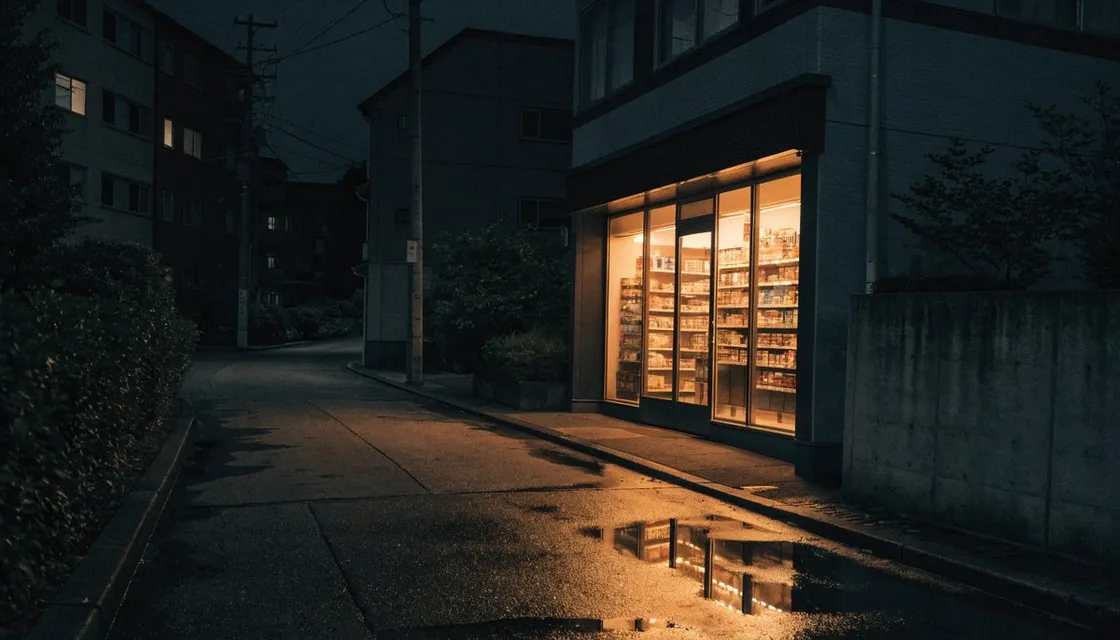
If you are working remotely from Tokyo, the single most useful building on your street is probably the convenience store on the corner. Not because of any one thing it sells, but because of how many separate errands it quietly folds into one bright, always-open room.
The konbini is where a lot of nomad life actually happens: the quick meal, the cash withdrawal, the printed contract, the parcel drop-off, the cold drink at two in the morning when a call runs long.
Treat it as infrastructure rather than a snack stop and it changes how the city feels. Suddenly a dozen small frictions of living abroad have the same answer, and that answer is open twenty-four hours and never more than a few minutes away.
In Tokyo the corner store is less a shop than a public utility that happens to sell rice balls.
The three big chains, and why the difference barely matters
You will mostly see three names: 7-Eleven, FamilyMart, and Lawson. Regulars hold gentle loyalties, and there are small differences in the prepared food and the own-brand lines, but for practical purposes they are interchangeable.
Each one does the core jobs well, and any of them within walking distance of where you sleep will become your default without you deciding to make it so.
What matters more than the brand is learning what the building can do beyond food, because that is where it earns its keep for someone living and working here rather than just passing through.
Eating well, not just eating
The food deserves its reputation. The rice balls, called onigiri, are a genuinely good quick meal, and the wrappers are engineered so the seaweed stays crisp until you open it.
The prepared bento boxes, sandwiches, and hot items behind the counter turn over constantly, and staff will offer to warm a bento for you. Late in the evening some stores mark down items nearing their date, which is a quiet way to eat cheaply if your schedule runs nocturnal.
For a working day, the useful trick is to think in components rather than meals. A protein, a vegetable side, a piece of fruit, and a good drink assembled from the shelves make a better desk lunch than any single item, and the whole thing takes three minutes.
The hot drip coffee near the register is inexpensive and genuinely decent, which matters when you are pacing yourself through a long build.
The cash machine you will actually use
This is the part visitors underrate. The ATMs inside convenience stores, especially the 7-Eleven machines, are the most reliable way for a foreign card to pull yen in Tokyo.
They run in English, they accept most overseas cards, and they are available at hours no bank branch keeps. If a card is ever refused at one machine, it is worth trying a different chain’s ATM before assuming the card is the problem.
Because Japan still runs partly on cash despite the shift to contactless, having a dependable place to top up matters. Fees vary and change, so it is worth checking what your own bank charges, but the access itself is the thing: yen, in English, at any hour, on almost every block.
The office you didn’t know you had
The multifunction machine near the entrance is the feature working nomads fall in love with. It prints, copies, and scans, and it can pull a document straight from your phone or a cloud link to print without a computer.
For anyone dealing with a contract that needs a signature, a form for a visa or a lease, or a boarding pass, this solves a problem that would otherwise mean hunting for a print shop.
The same machines sell tickets and handle a surprising range of official paperwork, and the counter itself functions as a lightweight post office. You can send and receive parcels, and if you order anything online you can usually have it delivered to a nearby store for pickup, which spares you the classic apartment-delivery problem of never being home when the driver comes.
Paying bills and the small stuff
The register handles more than purchases. You can pay utility and other bills over the counter with the printed slips that arrive in the mail, buy stamps, and load a transport IC card with cash.
Many stores have a clean restroom you can use, a hot water dispenser, and a small seating counter by the window that, in a pinch, is a workable spot to answer a few emails.
None of these is dramatic on its own. Together they are why the konbini becomes the fixed point in a nomad’s day, the place you route small tasks through instead of researching where each one is done.
Using it like a local
A few habits make the whole thing smoother. Keep some coins and a charged IC card on you, since the register moves fast and the queue behind you moves with it.
Have your rubbish sorted if you use the bins, which are meant for items bought there. Take the small plastic bag question in stride, as bags now carry a small charge and staff will ask whether you want one.
Above all, resist the urge to see it as only a shop. The store on your corner is the most quietly capable room in your neighborhood, and learning its full range is one of the fastest ways to feel less like a visitor and more like someone who lives here.
FAQ
Which convenience store chain is best? For daily needs the three big chains are close enough that the best one is simply the closest. If you rely on the ATM for a foreign card, 7-Eleven machines have the strongest reputation for accepting overseas cards, but it is worth trying more than one before concluding a card will not work.
Can I really print documents there? Yes. The multifunction machines print, scan, and copy, and can print directly from a phone or cloud storage without a laptop.
It is one of the most useful features for anyone handling contracts, forms, or travel documents on the road.
Is the food actually healthy enough to live on? It can be, if you assemble meals from components rather than relying on one item. Pairing a protein, a vegetable side, and fruit makes a balanced quick meal, and stores stock plenty of lighter options alongside the indulgent ones.